The Nature of Luck in Gambling
Luck is a concept deeply embedded in the world of gambling, particularly in casinos. Many players enter a casino with the belief that luck is a potent force that can swing the outcome of their games, especially when they are drawn to new betting sites that promise exciting opportunities. This perception of luck often stems from personal experiences or stories shared among friends and families about improbable wins or spectacular losses. In essence, luck represents random chance, which can sometimes lead to extraordinary results that defy logical expectations.
From a psychological standpoint, the belief in luck can significantly impact a player’s attitude and behavior. Some players may engage in rituals or superstitions, convinced that these practices can influence their fortunes. For instance, wearing a lucky charm or playing a certain slot machine may create a sense of comfort and confidence, which can alter a player’s approach to the game. However, it’s essential to recognize that while such rituals can enhance the gambling experience, they do not statistically change the underlying odds of the games played.
Moreover, the influence of luck is particularly pronounced in games that rely on chance rather than skill, like slots and roulette. These games are designed so that outcomes are entirely random, meaning each spin or roll is independent of previous results. Therefore, while players may experience streaks of luck, these outcomes are ultimately products of randomness, not a consistent predictor of future results. As such, understanding the role of luck in gambling means recognizing its limits and the need for a responsible gaming approach.
The Mathematics Behind Casino Games
When examining the outcomes of casino games, it is crucial to incorporate an understanding of mathematics and probability. Each game has its set of odds that dictate the expected outcomes over time. For example, in games like blackjack and poker, players’ decisions can significantly influence their chances of winning, making skill an essential component. However, even in these games, luck plays a pivotal role in short-term results, such as the cards dealt or the bets made during each hand.
In contrast, games like slot machines and roulette are purely based on chance with fixed odds that favor the house, known as the house edge. This edge is a percentage of each bet that the casino keeps over time, and it’s designed to ensure that the casino remains profitable. While players may win sporadically, the statistics demonstrate that the house always prevails in the long run, further emphasizing the notion that luck, while influential, has its boundaries defined by mathematical principles.

Understanding the mathematics of these games can empower players to make informed decisions while gambling. Recognizing that every spin on a slot machine shares the same probability as the last one can help mitigate the allure of chasing losses with the idea that luck will change in favor of the player. In this way, players can approach their casino experiences with a more analytical mindset, balancing the excitement of luck with the realities of probability.
The Role of Skill vs. Chance
The interplay between skill and chance is a defining characteristic of many casino games. While games like blackjack and poker allow for strategic play, games of pure chance, such as slots or dice games, rely solely on luck. However, even in skill-based games, chance can significantly affect the outcome of a single game session. For instance, a strong poker player may employ strategy and bluffing techniques effectively, yet still lose to an opponent who happens to hold a better hand due to chance.
Furthermore, the distinction between skill and chance can influence player behavior and perception. Players who rely on skill often believe they can control their outcomes to an extent, while those engaging in games of chance primarily rely on luck. This difference can affect how players manage their bankrolls, with skilled players potentially adopting more conservative strategies and those who depend on luck often chasing losses in hopes of a sudden turnaround.
Nevertheless, the concept of luck resonates throughout the gambling experience, regardless of the game. Players frequently share stories of miraculous wins and improbable streaks, reinforcing the belief that luck plays a central role. However, it’s essential for players to remain grounded in the understanding that while luck may influence short-term outcomes, the long-term results are dictated by the inherent odds and house advantages present in each game.
Psychological Effects of Luck in Casinos
The perception of luck can significantly affect how players interact with the casino environment. Many individuals believe in the power of luck, often attributing wins to favorable circumstances while dismissing losses as merely bad luck. This cognitive bias can lead to irrational gambling behaviors, where players may refuse to accept that their losses are part of the odds and instead cling to the hope that luck will eventually swing in their favor.
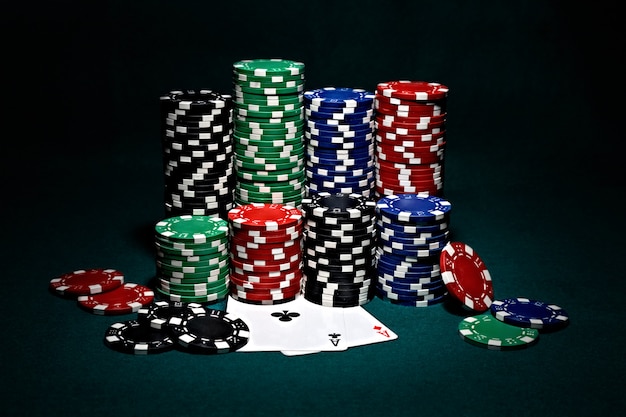
Additionally, the concept of “hot” and “cold” streaks can lead players into a psychological trap. The belief that a particular machine or table is on a winning streak can create a sense of urgency to play, drawing individuals into prolonged sessions in hopes of capitalizing on what they perceive as a favorable circumstance. This phenomenon can lead to substantial financial losses, especially if players become overly reliant on the idea that luck will be on their side.
Furthermore, marketing tactics employed by casinos often reinforce the notion of luck. The bright lights, celebratory music, and frequent promotion of jackpot winners can create an atmosphere charged with excitement and anticipation. This environment can enhance the belief in luck and encourage players to participate more actively in their gaming experience, even if it means risking more than they originally intended. Understanding these psychological effects can lead to a more balanced approach to gambling, helping players navigate their experiences more responsibly.
Conclusion About Luck and Gambling
Ultimately, while luck undeniably plays a significant role in determining outcomes at casinos, it is crucial for players to understand its limitations. Games of chance offer unpredictability that can lead to thrilling moments, yet the reality is that these outcomes are shaped by underlying probabilities and house edges. Recognizing the distinction between luck and skill can empower players to make more informed decisions while enjoying their gaming experience.
Moreover, promoting responsible gambling practices can help mitigate the risks associated with the allure of luck. Players should strive to maintain a healthy balance between enjoyment and financial responsibility, avoiding the common pitfalls of chasing losses or placing undue faith in luck. By fostering a realistic perspective of their chances, players can enjoy their time in casinos while minimizing the potential for negative outcomes.
In summary, luck is an integral part of the casino experience, contributing to the thrill and excitement of gambling. However, understanding its true nature and how it interacts with mathematical principles and player behavior is essential for enjoying a sustainable and enjoyable gambling journey. Embracing this awareness can lead players to enjoy the games they love while remaining mindful of their gaming choices.